01 FLOW Foundation system
Run the everyday system
Money
Manage cash flow, build resilience, prepare for large decisions, and turn income into usable options.
01 / Sector promise Know what your money needs to do next—and what can wait. Open the category map
Core guides
A practical place to start.
Learn the method, check the tradeoffs, then continue to a working tool or a connected guide.
Category map
Find the part of money that matches the decision.
Filters change the map without creating deep category directories or moving guide URLs.
On smaller screens, swipe horizontally to reach every category filter.
01 Budgeting & cash flow Plan inflows, fixed costs, variable spending, and margin without treating a budget as punishment.
- What must be funded first?
- Where is cash flow becoming fragile?
02 Saving & banking Choose accounts, reserves, and savings systems that match the job each dollar needs to do.
- How liquid should this money be?
- What risk belongs outside cash?
03 Taxes Prepare for filing, withholding, self-employment obligations, and tax-aware decisions.
- Which jurisdiction controls the rule?
- Is this timing or permanent tax cost?
04 Insurance & protection Use insurance, emergency planning, and documentation to limit catastrophic downside.
- Which losses are unaffordable?
- Which risks can be self-funded?
05 Retirement & independence Connect current savings decisions to future work flexibility and financial independence.
- What lifestyle is being funded?
- What assumptions drive the target?
06 Major decisions Evaluate housing, vehicles, education, family changes, and other high-impact commitments.
- How reversible is the choice?
- What does the decision crowd out?
07 Household finance Coordinate shared goals, bills, responsibilities, and conversations across a household.
- Who owns each decision?
- What needs a shared rule?
08 Financial emergencies Prioritize liquidity, obligations, communication, and recovery when money becomes urgent.
- What creates the most immediate harm?
- Which payment can be negotiated?

AI image · credits
AI-generated editorial image by Nortune · Photo reference: Kaboompics / Karola G (Pexels License)A repeatable sequence
Money flow map
Give each layer a job before sending money farther down the system.
- 01 Income
Confirm the reliable amount and timing.
- 02 Essentials
Fund the obligations that protect daily life.
- 03 Resilience
Create liquidity for interruption and surprise.
- 04 Debt
Control expensive or destabilizing balances.
- 05 Goals
Fund specific near- and mid-term choices.
- 06 Optionality
Buy more freedom over future time and location.
Put it into practice
Use a working tool for money.
Open the product page for privacy, assumptions, and limitations, or launch the browser tool directly.

Budget Planner & Expense Tracker
Plan a monthly budget, track actual spending, manage recurring costs, and keep a local backup without creating an account.
FreeLocal browser data
View details Open App

Debt & Cash-Flow Workspace
Compare five multi-debt repayment paths while protecting required minimums and an emergency-reserve floor.
FreeLocal browser data
View details Open App

Credit Card Payoff Calculator
Compare fixed, minimum-payment, and target-date plans, then see payoff time, interest, payment milestones, and the effect of extra payments.
FreeLocal browser data
View details Open Calculator

Investment & Savings Calculator
Compare low, base, and high growth scenarios, account for inflation and costs, and estimate the contribution required for a goal.
FreeLocal browser data
View details Open Calculator

Loan Repayment Calculator
Model payments, total interest, extra principal, variable rates, balloon structures, lender offers, and refinance break-even.
FreeLocal browser data
View details Open Calculator
Guide
Use the money library.
Every entry keeps its canonical hub URL while categories remain flexible filters.
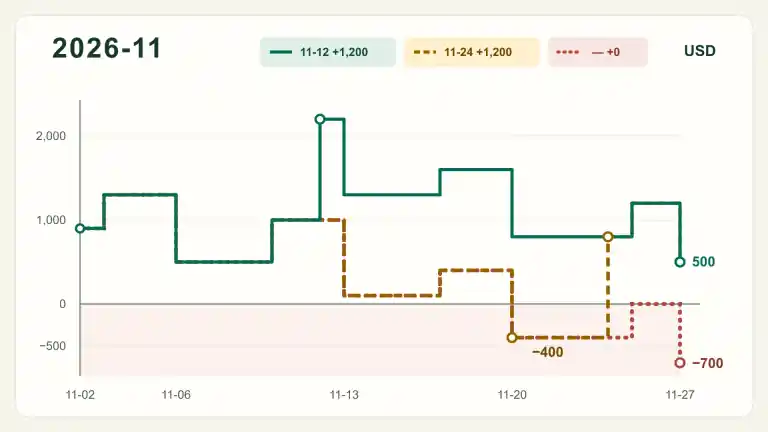 01 FLOW Budget With Irregular Income An invoice can arrive before month-end and still arrive too late for a bill. Compare cleared cash, scheduled receipts, and uncertain payments by date. Open
 01 FLOW Emergency Fund Order A tiered emergency-fund plan separates immediate shock cash, one-pay-cycle stability, and longer income-replacement runway. Open
 01 FLOW 30-Day Cash-Flow Triage Use a 30-day control window to rank obligations by consequence, protect the next paycheck, and create a workable cash-flow sequence. Open
 01 FLOW Make a Budget That Works A useful budget is a cash-flow system you can adjust, not a perfect forecast or a punishment for spending. Open
 01 FLOW APR vs. APY APR is generally a borrowing-cost disclosure; APY describes deposit yield with compounding. Neither replaces the product’s dollar costs and rules. Open
 01 FLOW Budget With Biweekly Pay Build a paycheck calendar that protects upcoming bills before treating a third paycheck as available spending. Open
Current context
News connected to money.
Stories remain canonical under News while this hub provides the evergreen decision framework.
 01 FLOW 2026 charitable deduction without itemizing The IRS says eligible cash gifts can count even if you take the standard deduction. See the 2026 limits, a four-gift example and what receipts to keep. Open
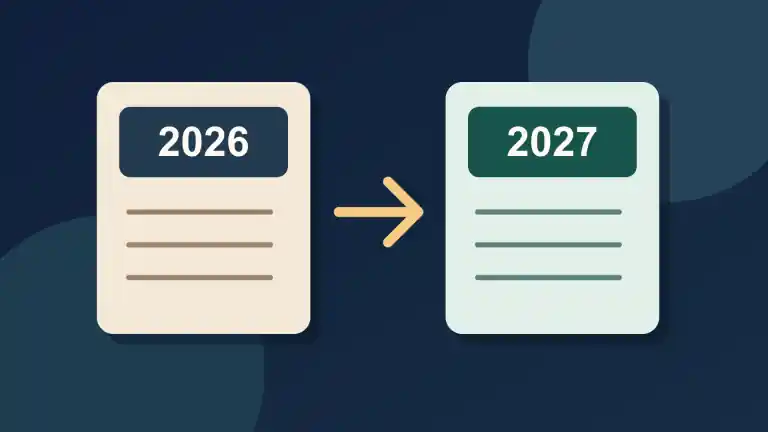 01 FLOW 2027 IRS tax brackets and deduction The IRS raised the standard deduction and shifted federal brackets for 2027. See the amounts, a worked example and what to check on your pay stub. Open
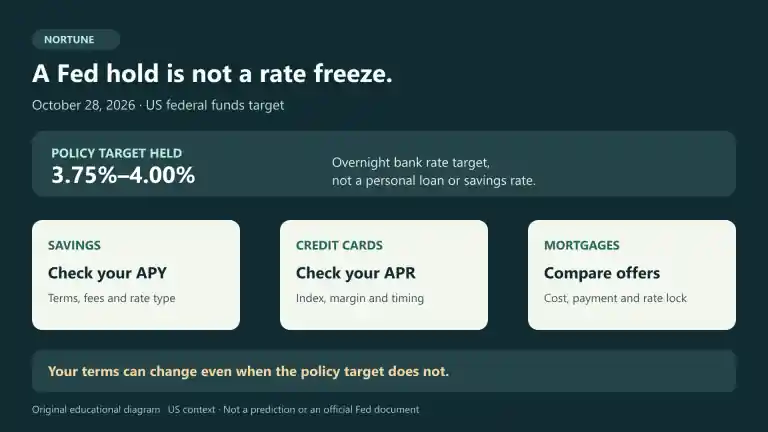 01 FLOW Fed hold: check your own rates A policy hold does not freeze every rate. Review your account terms, card APR and mortgage offer before updating your budget. Open
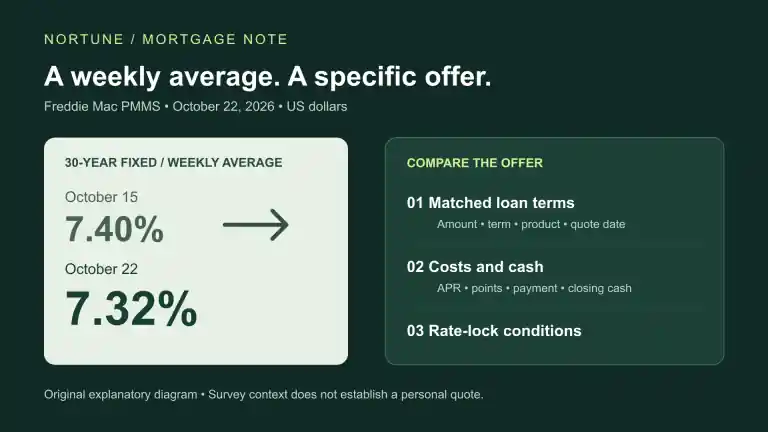 01 FLOW Mortgage rates: compare the whole offer An eight-basis-point decline changes an illustrative $300,000 payment by about $16 a month. Points, closing cash, the loan term and rate-lock conditions still need their own comparison. Open
Turn the page into action
Next-step checklist
- Know the next 30 days of required cash outflow.
- Separate emergency reserves from planned spending.
- Review one recurring cost at a time.
- Document the rule behind every large transfer.